

Not sure what all those fancy-sounding settings on your bread machine do? I gotcha covered! This easy-to-digest guide explains what each setting is used for, what's happening during the cycle and what bread you can make with each. While the settings might be overwhelming at first, they're pretty simple when you understand the purpose of each and what types of breads they're used for.
Don't miss my complete guide to using a bread maker if you're not caught up yet on all the other basics of a bread machine. And if it's your first time making a loaf, my guide to using your bread machine for the first time is another useful resource.
Table Of Contents
- Why Your Cycle Choice Matters More Than You Think
- Quick Rule Of Thumb
- Basic/White Cycle
- Whole Wheat Cycle
- Dough/Pizza Cycle
- Quick Bread
- Gluten-Free Cycle
- Rapid Cycle
- Rapid Cycle
- Salt-Free Cycle
- The Salt-Free Cycle
- Sugar-Free Cycle
- The Sugar-Free Cycle
- European/Artisan Cycle
- Sweet Bread Cycle
- How Much Sugar Makes A "Sweet Bread"?
- Jam Cycle
- Cake Cycle
- Recipe Reviews
Why Your Cycle Choice Matters More Than You Think
Most of us use 1 or 2 settings regularly and never touch the rest. But different breads need different environments to rise and bake the right way. Most manuals don't give explanations of the settings, so it can be confusing to know which to choose. For example, a whole wheat loaf needs more time to rise than a white bread. But what about a bread that uses a combination of white and whole wheat flour? What cycle do you choose?
And sweet breads can burn if cooked at the same temperature as white breads. Gluten-free breads don't need to rise twice because their structure can't handle it. And quick breads don't need time to rise at all.
The cycle is how a bread machine accounts for these differences. So what setting do you choose? Let me break it down for you.
Quick Rule Of Thumb
- Need bread tonight? → use the rapid cycle
- Making a simple loaf? → use the basic/white cycle
- Making whole wheat bread? → use the whole wheat cycle
- Making rolls, pizza or buns? → use the dough cycle
Basic/White Cycle
What It Is: The default setting. If a recipe doesn't specify which cycle to use, choose this one.
What Happens: The machine mixes the ingredients, kneads the dough, lets it rest briefly, kneads it again, then lets it rise twice before baking. The total time is typically 3-4 hours.
Why It Matters: The first rise develops flavor and structure. The second proof gives the dough it's final shape before baking. Skipping or shortening either rise, like the rapid cycle does, can produce a noticeably different loaf.
Use For: white sandwich bread, herb bread, onion bread, breads that use a combination of whole wheat and bread flour with bread flour being the highest percentage, and most beginner breads.
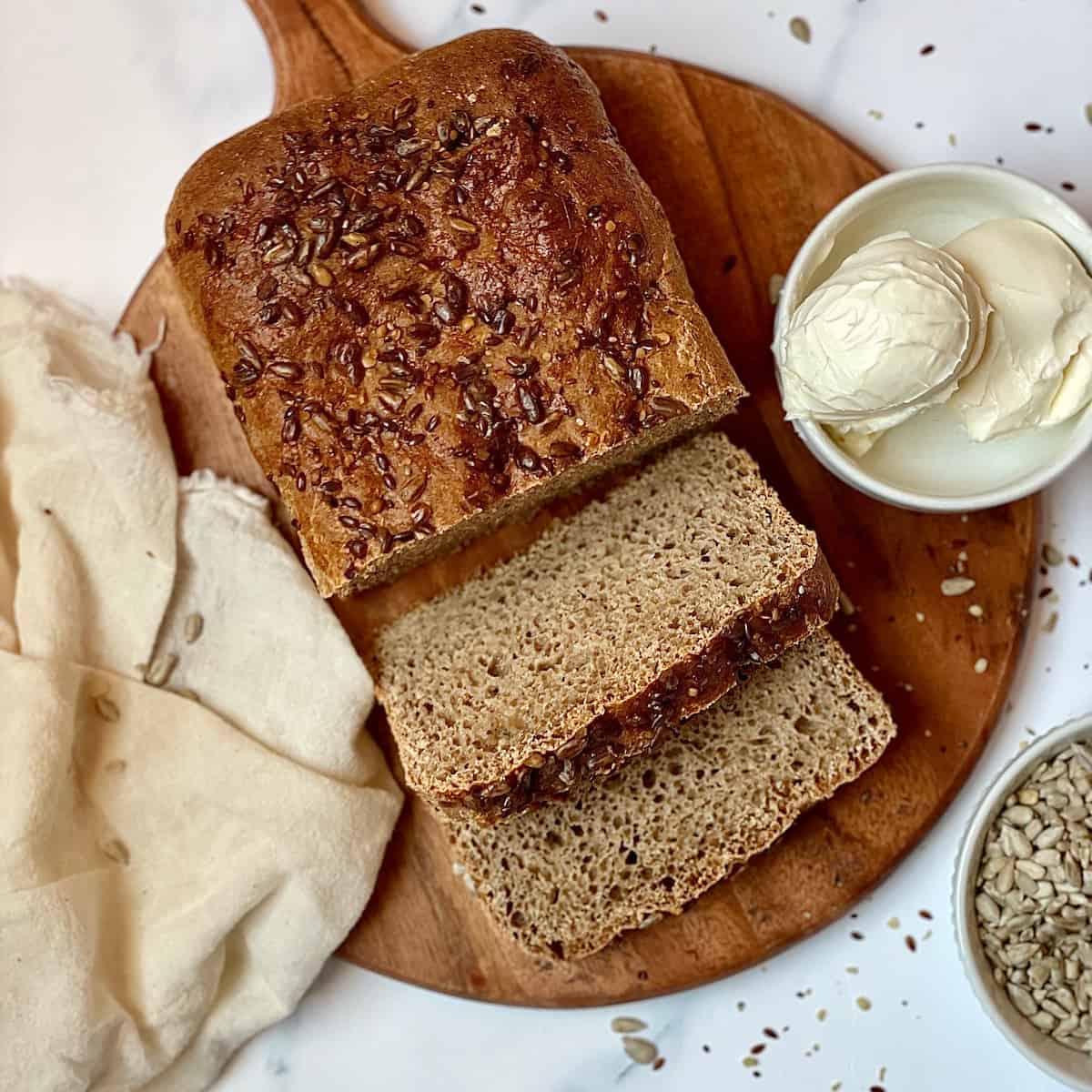
Whole Wheat Cycle
What Happens: The whole wheat cycle has longer kneading periods, extra resting time and a longer first rise. Baking time is also different than the white bread cycle, so that denser whole wheat loaves cook all the way through.
Why It Matters: Since whole wheat flour absorbs more water than bread flour, you'll get a poor rise, short loaf and a dry crumb if not using the whole wheat cycle- it gives it longer time to develop and rise correctly.
Use For: 100% whole wheat bread, rye bread, pumpernickle bread and breads that use more than half whole wheat flour
Dough/Pizza Cycle
What It Is: The dough cycle is one of the most popular settings we use. Use it when you want to bake your loaf in the oven. I mostly use this cycle because I like to shape my bread into big artisan-style ovals. And because we make pizza a lot!
What Happens: The dough kneads and rises and does not cook your loaf.
Use For: pizza dough, dinner rolls, cinnamon rolls, crescent rolls, hot dog and hamburger buns, naan bread, pretzels, bagels, and anything else that you want to or needs to be baked in the oven.
Quick Bread
What It Is: The quick bread cycle mixes the batter, lets it rest briefly and then bakes it. There is no rise time.
Why It Matters: Because there's no yeast, this is a much shorter cycle. If you use other cycles to make a quick bread, the batter will overmix and become dense and the loaf will likely burn and overcook.
Use For: breads that use baking powder rather than yeast, like cornbread and my delicious banana bread, strawberry lemon bread, apple bread, pumpkin bread and zucchini bread, plus other sweet cake-like loaves.
Gluten-Free Cycle
What It Is: This cycle is for breads made without wheat, rye or barley flour. Gluten-free dough behaves very differently and needs unique kneading and baking times.
What Happens: The machine kneads the dough a little less aggressively than the other cycles. There is also a shorter rise time but a longer bake time. Most gluten-free breads depend on xanthan gum or eggs to build structure.
Why It Matters: Gluten-free loaves usually need only one rise because gluten does not need to develop and the dough will be more batter-like.
Use For: any bread made with gluten-free flour, like my gluten-free sandwich bread.
Rapid Cycle
What It Is: The rapid cycle shortens the kneading and rising times. It's good for when you need bread quickly, in 1-2 hour, and it's convenient for busy days or when you forget to start baking early enough (like I do often!).
What Happens: The machine kneads and proofs the bread quickly but bakes it for the same amount of time as the basic cycle.
Why It Matters: Shortening the fermentation time leads to a less flavorful bread, so keep that mind.
Use For: The rapid cycle is best for simple white breads when you're in a rush.
Pro tip
Rapid Cycle
I don't recommend using the rapid cycle for breads that need long fermentation to create a lot of flavor- you won't get this with the rapid cycle. It also doesn't work well with sourdough breads and heavier, denser loaves like whole wheat. Some bread machines have a rapid whole wheat cycle that you can use for that.
Salt-Free Cycle
What It Is: This isn't a common cycle, but it is on my Zojirushi bread maker.
Most breads need salt but if you're on a salt-free diet, you can make homemade bread using this cycle...yay! Salt is important because it strengthens gluten structure, controls yeast activity, improves bread texture and taste. Less importantly, it enhances the crust color.
Why It Matters: Without salt, the yeast can become too active too quickly, meaning the dough will rise too fast and overproof. This can cause bread to collapse while baking.
Use For: bread recipes specifically created without salt or when you're reducing the amount of salt in a recipe.
Pro tip
The Salt-Free Cycle
If you're on a low salt diet and your bread machine doesn't have this cycle, use the white bread/basic cycle. Pay attention to how the dough rises during your first salt-free loaf. If it rises too high or too quickly, reduce the yeast next time.
Sugar-Free Cycle
What It Is: Like the salt-free cycle, the sugar-free cycle is not common. It's used for recipes with no added sugar or low sugar.
Why It Matters: Since sugar feeds yeast and adds moisture and tenderness to dough, the cycle needs to be adjusted to account for this when not using sugar.
What Happens: The cycle may be extended, with longer proofing time.
Use For: diabetic-friendly recipes, keto-friendly recipes, low-sugar breads and other recipes labeled "sugar-free".
Pro tip
The Sugar-Free Cycle
Most bread machines can handle sugar-free breads using the basic cycle, so don't worry if yours doesn't have this cycle and you're making a sugar-free loaf.
European/Artisan Cycle
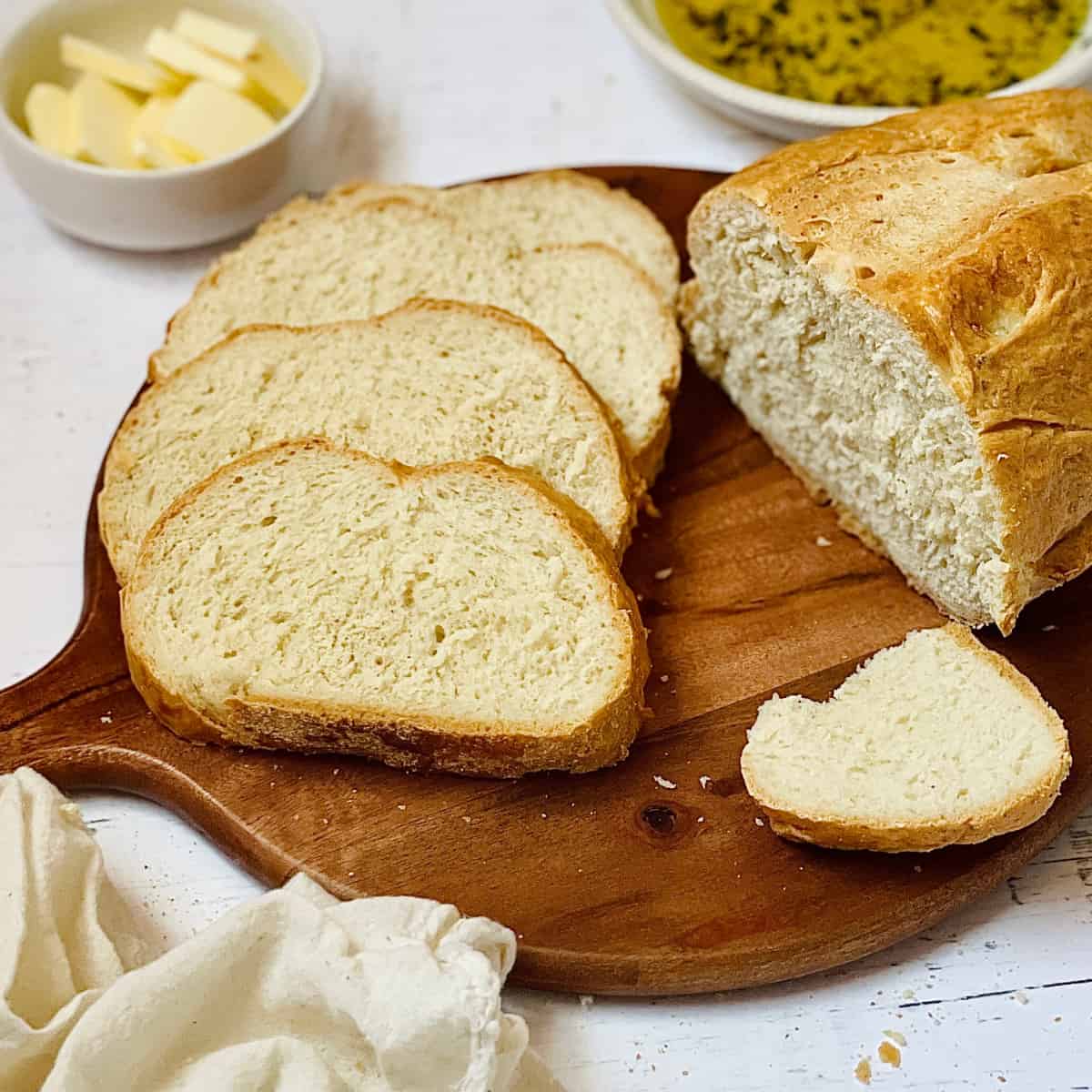
What It Is: This is for breads that have less fat and sugar than typical American breads. It's sometimes called the "french bread" setting.
What Happens: There is longer kneading and rising, slower fermentation and a longer overall cycle.
Why It Matters: The longer fermentation time lets the bread develop more flavor. Most European breads are made with just flour, salt, yeast and water, so without fatteners or sweeteners, the long fermentations lets the dough develop a light texture and better flavor than the white cycle will.
Use For: French bread, Italian bread, artisan-style loaves, ciabatta loaves, and other lean European loaves.
Sweet Bread Cycle
What It Is: This is for breads have higher amounts of sugar, fruit, honey, butter, eggs or milk than usual. Because these breads can slow yeast activity, the bread maker adjusts the kneading, rise and cook times.
Why It Matters: With the adjusts for those ingredients, a richer, softer loaf is made than would be if using the basic cycle.
Use For: This is best for cinnamon raisin bread, challah, honey breads, milk breads, and Hawaiian sweet bread.
Pro tip
How Much Sugar Makes A "Sweet Bread"?
If recipes has more than 3 tablespoons of sugar, honey or maple syrup, consider use the sweet bread cycle if your bread maker has one. If not, use the white bread cycle but consider lowering the crust color to light so the loaf doesn't burn. Most sweet breads will be okay on the basic cycle. Before I got a machine with a sweet bread cycle, I made cinnamon raisin bread often and didn't have any major issues other than kneading to bake it on the crust color "light".
Jam Cycle
What Happens: The bread machine will heat, stir and cook fruit, pectin, and sugar to create jams, jellies, preserves and fruit butters.
This is probably the most overlooked feature on a bread machine! But if you make your own jams and fruit butters, this is a really cool setting on the machine. It's totally hands off for you and does a pretty great job!
Use For: any fruity jams and jellies, preserves (like pear preserves) and fruit butters (like apple butter) and fruit compotes.
Cake Cycle
What It Is: This cycle mixes and cooks cake batters that use baking soda, baking powder or eggs for leavening.
This program is great because it kneads without overmixing, which we can end up doing when making cakes by hand. It also bakes the cake without having to guess if it's done- and it creates moist and tender cakes without us having to do anything hands on!
Use For: any type of cake, like fruit cake, vanilla cake, chocolate cake, coffee cake, eggnog cake.



Charlotte says
I'm new to bread machine baking. The manual for my machine doesn't explain any of the cycles. This list has been extremely helpful. Thank you so very much!
Kristina Tipps says
You're very welcome! I'm glad it's been helpful.